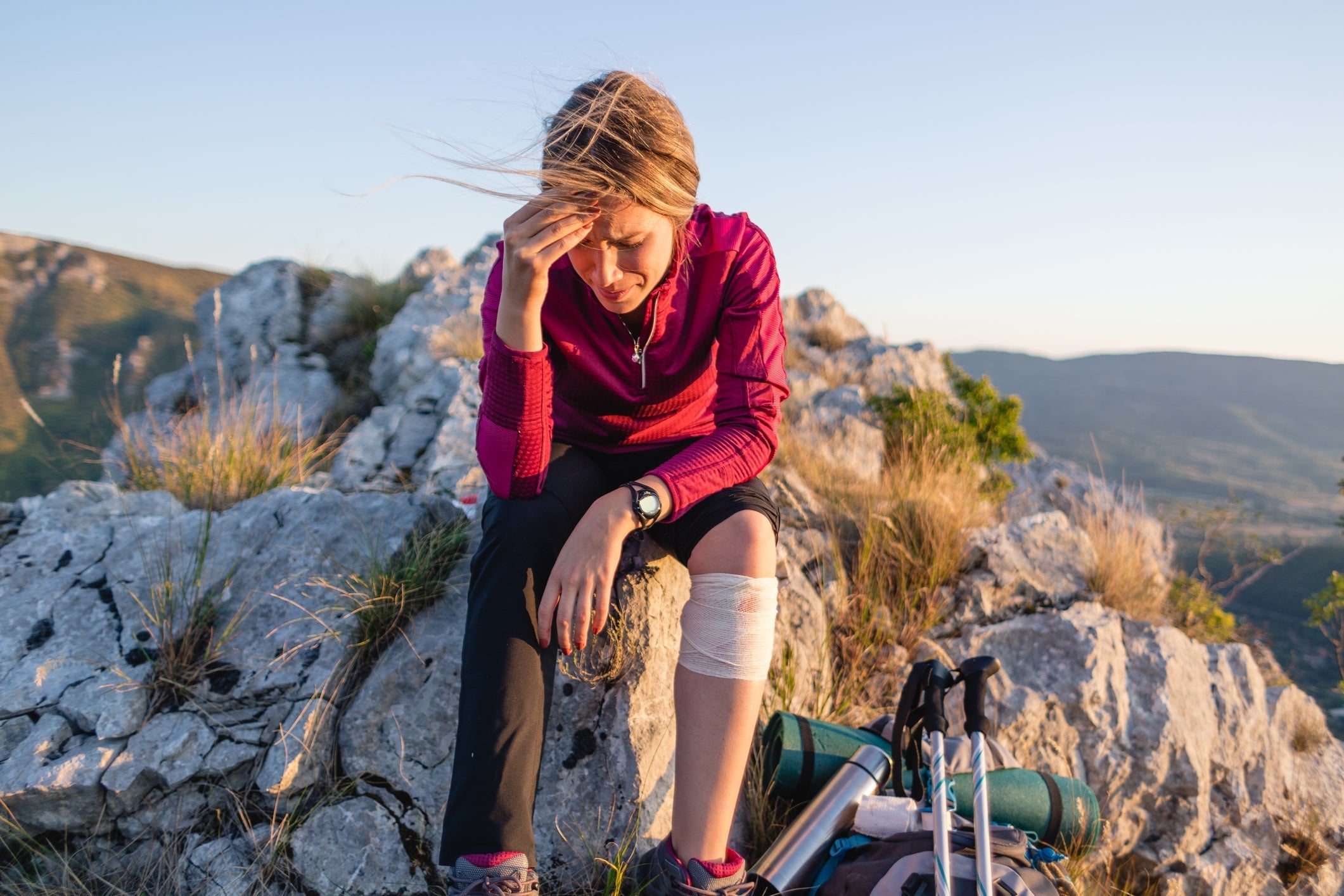

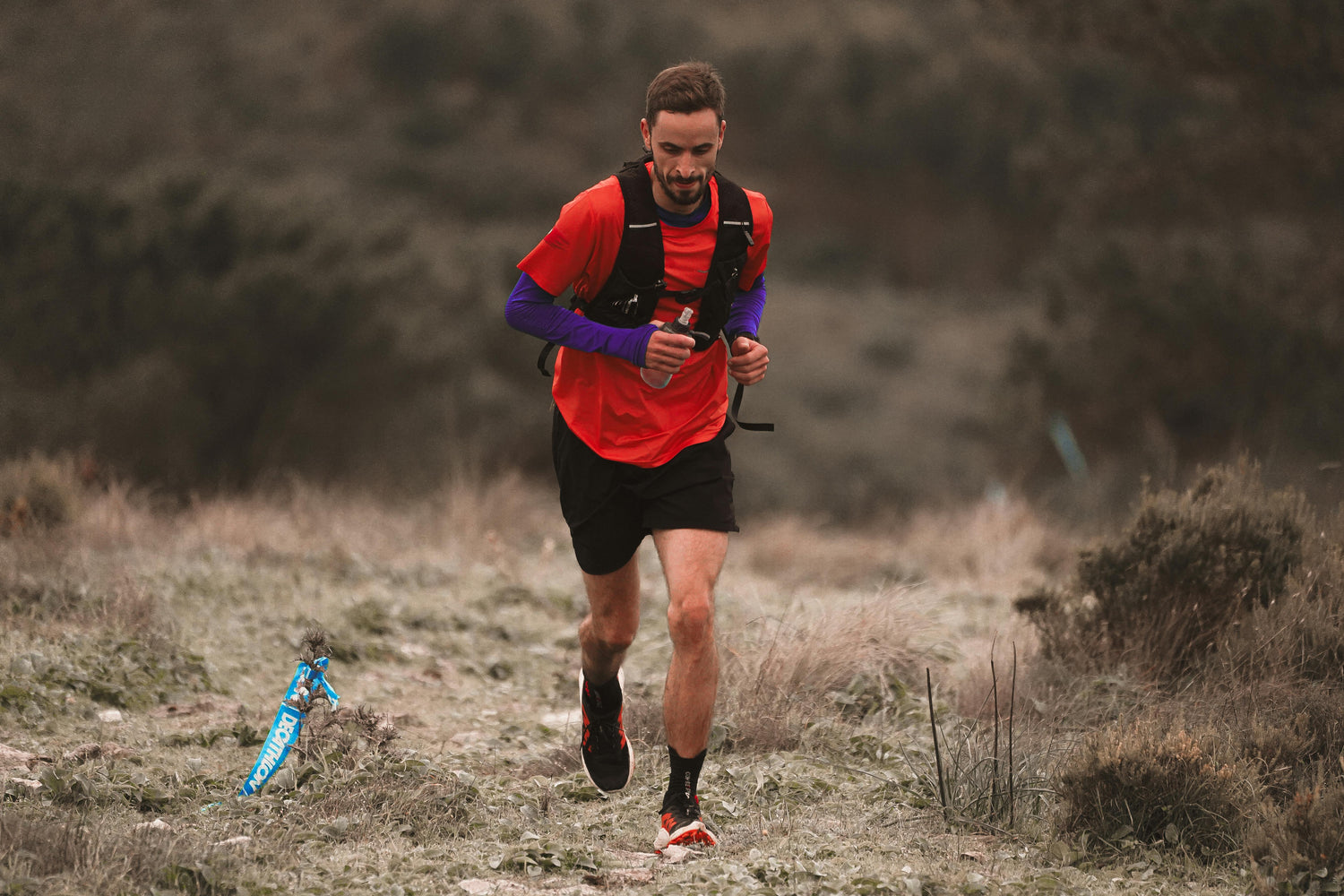
Most casual athletes and weekend warriors don’t think about altitude until they feel it. It usually shows up fast. A short hike feels harder than it should. Your breathing is off. Sleep gets weird. Workouts that normally feel manageable start to fall apart halfway through. Altitude isn’t just “harder.” It’s a different physiological environment. With less oxygen available, your body has to work harder to do the same amount of work. That affects everything from endurance and recovery to how well you sleep at night. You can’t avoid it, but you can show up ready for it.
Build Your Aerobic Base

One of the simplest ways to prepare is also the most overlooked. You don’t need a full training block or anything complicated. But if you’ve been inconsistent with your cardio training, you’ll suffer at elevation. The stronger your baseline endurance is, the less dramatic that drop-off will feel when oxygen becomes limited. A few weeks of steady movement can go a long way. Longer walks, runs, and rides will build your cardio base. Just consistent time spent working at a moderate effort. The goal isn’t to peak, it’s to raise the floor so your body has something to fall back on.
Get Comfortable Controlling Your Breathing

Breathing is another piece people don’t think about until it becomes obvious. At elevation, it’s not automatic in the same way. You notice it more, especially on climbs or sustained efforts. If you’re not used to managing your breathing under stress, that alone can throw you off. It doesn’t need to be complicated. Start paying attention to it during training. Try nasal breathing on easier efforts. Focus on steady, controlled inhales and exhales when things get harder. The more familiar it feels ahead of time, the less jarring it is when you’re at altitude.
Dial in Your Hydration Early

Hydration is where many people fall behind at elevation. You lose more fluid at elevation, mostly through respiration, and it’s easy to lose fluids without realizing it, especially on cold mornings. That’s usually when headaches start creeping in, energy drops, and everything feels a little harder than it should. Start showing up hydrated before your trip, not trying to catch up once you’re there. Drink more water than usual, and don’t ignore electrolytes, especially if you’re training or spending long days outside. Hydrating properly is one of the easiest ways to make altitude feel more manageable.
Prioritize Sleep Before You Go

Sleep is another one that gets overlooked until it becomes a problem. Altitude can disrupt sleep, especially in the first couple of nights at elevation. If you’re already running on low sleep heading into your trip, that adjustment becomes even harder. There’s no trick here. Just show up rested. Keep your schedule consistent the week before, and avoid digging yourself into a hole you have to climb out of once you’re already at elevation.
Ease Into the First Few Days
The instinct to jump straight into whatever you came there to do, a big hike, long day, hard effort, can be hard to ignore. Your body needs time to adjust, whether you like it or not. If you can, keep the first day or two lighter. Let your body catch up before you start pushing. You’ll end up getting more out of the trip instead of burning yourself out early.
The goal with acclimatization isn’t to “beat” altitude; it’s to support your body's adaptation to it. That’s where Altitude PR fits in. Not as a shortcut, but as support. The formula is built around the same things that tend to break down at elevation: oxygen efficiency, blood flow, fatigue resistance, and hydration. When those systems are supported, the experience shifts. You’re not fighting through every effort or constantly trying to catch your breath. You’re closer to your baseline, even when the environment is working against you. Start your protocall today before your next trip into the mountains!