
You don’t have to be out of shape to feel it.
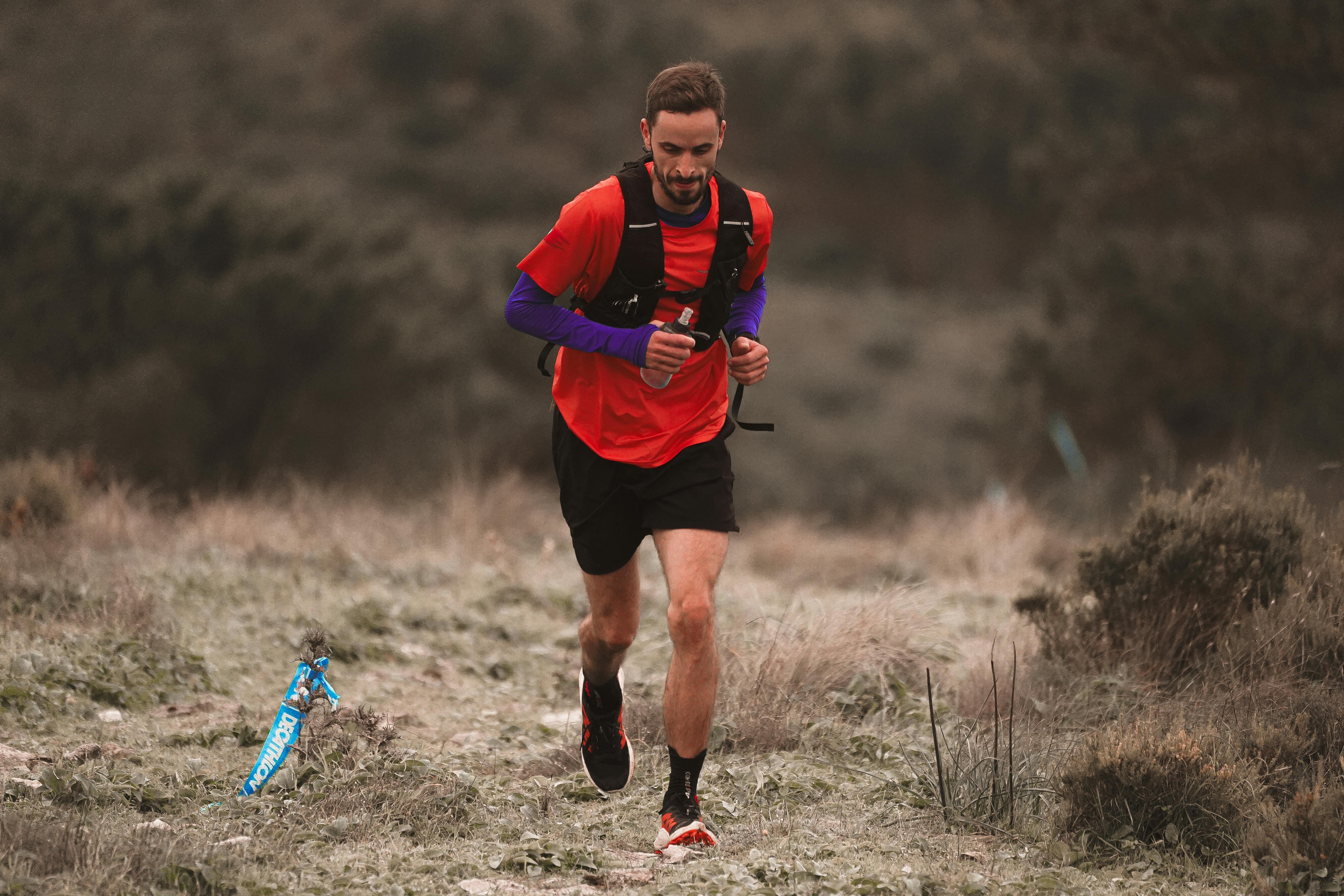
The first time you train or ride at elevation, it hits fast. Legs feel heavy. Breathing gets shallow. Efforts that normally feel controlled suddenly spike your heart rate. You check your watch thinking something’s off. It’s not. It’s altitude.
What Altitude Actually Does to Your Body

At higher elevations, there’s less oxygen available in the air. Your body has to work harder to deliver oxygen to your muscles, which directly impacts performance.
The biggest hit comes to your VO2 max. Even if you’re well-trained at sea level, that number drops as elevation increases. Less oxygen means less output.
Your body tries to compensate by increasing breathing rate and heart rate, but that only goes so far. Until your system adapts, everything feels harder than it should.
Why Even Fit People Struggle

Fitness doesn’t fully prepare you for altitude.
You can be in great shape and still feel off because altitude isn’t just about conditioning. It’s about oxygen efficiency. If your body isn’t used to operating with less oxygen, performance drops no matter how strong you are.
That’s why athletes often feel frustrated on day one. Efforts that are usually manageable suddenly feel like max output. Recovery takes longer. Even simple movements can feel taxing.
It’s not a fitness problem. It’s an adaptation problem.
Common Altitude Symptoms
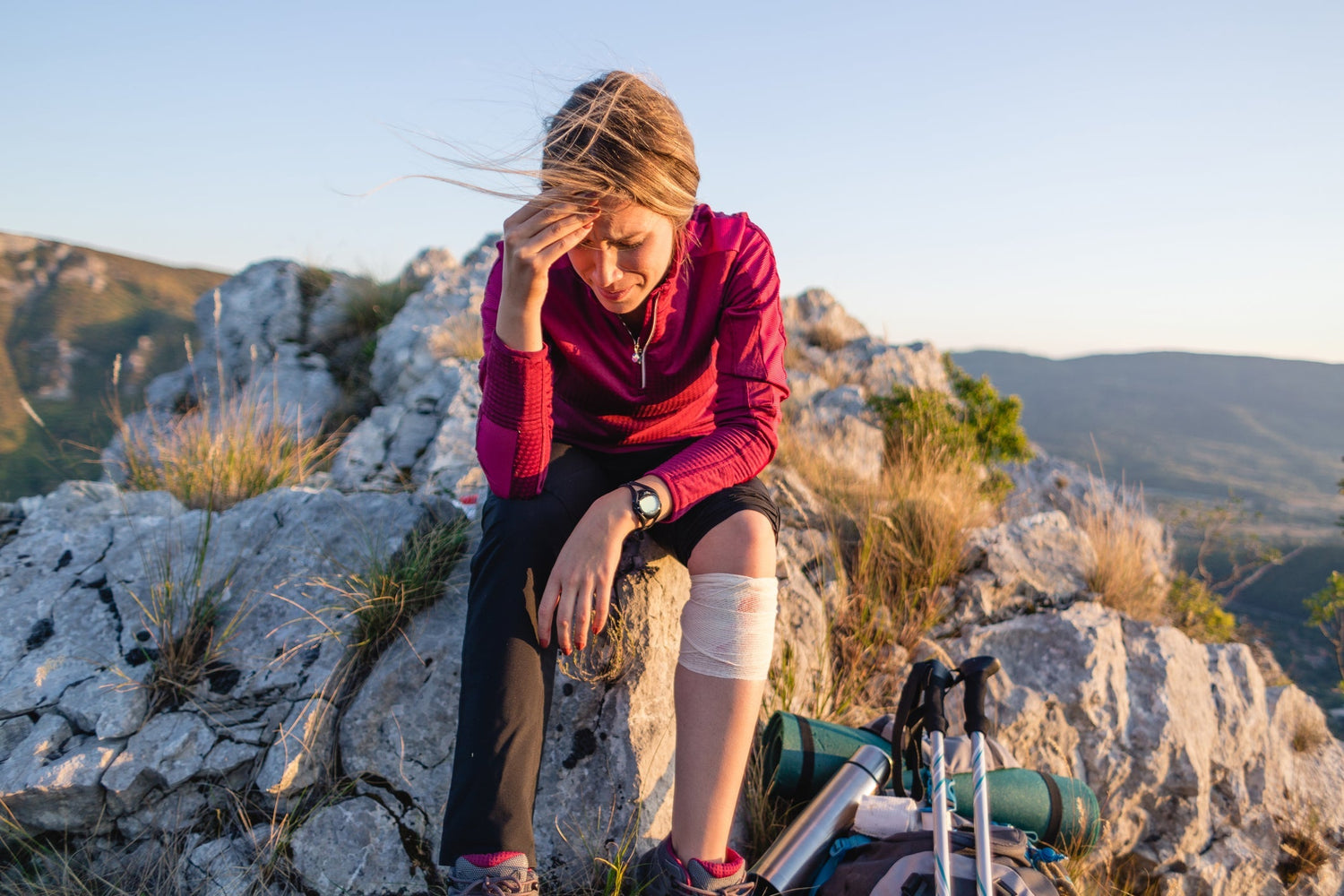
Most people notice the same early signs:
-
Shortness of breath during normal efforts
-
Elevated heart rate
-
Headaches or light dizziness
-
Poor sleep
-
Fatigue that lingers longer than expected
For some, it’s mild. For others, it can derail an entire trip or training block if not managed correctly.
What Actually Helps at Altitude

There’s no shortcut, but there are proven ways to reduce the impact and perform better faster.
Hydration
Dehydration hits harder at elevation. Dry air and increased breathing rates mean you lose fluids quickly.
Staying ahead on hydration helps maintain blood volume, which supports oxygen delivery. If you wait until you feel thirsty, you’re already behind.
Acclimatization
Time is the most effective tool.
Spending a few days at altitude allows your body to start adapting. Red blood cell production increases, and oxygen delivery becomes more efficient.
If you can, arrive early before a big effort or event. Even 48 to 72 hours can make a noticeable difference.
Nutrition
Fueling matters more than most people realize.
Your body leans more on carbohydrates at altitude because they require less oxygen to metabolize compared to fats. Keeping glycogen stores topped off helps maintain energy and performance.
Electrolytes also play a key role, especially with increased fluid loss.
Training Adjustments
The biggest mistake people make is trying to train at sea-level intensity right away.
Dial it back early. Focus on effort, not pace or power. Give your body time to adjust before pushing harder sessions.
Athletes who respect this window adapt faster and perform better by the end of their trip.
Where Supplementation Fits In

Even with the right strategy, altitude still creates a physiological gap. That’s where targeted support can help.
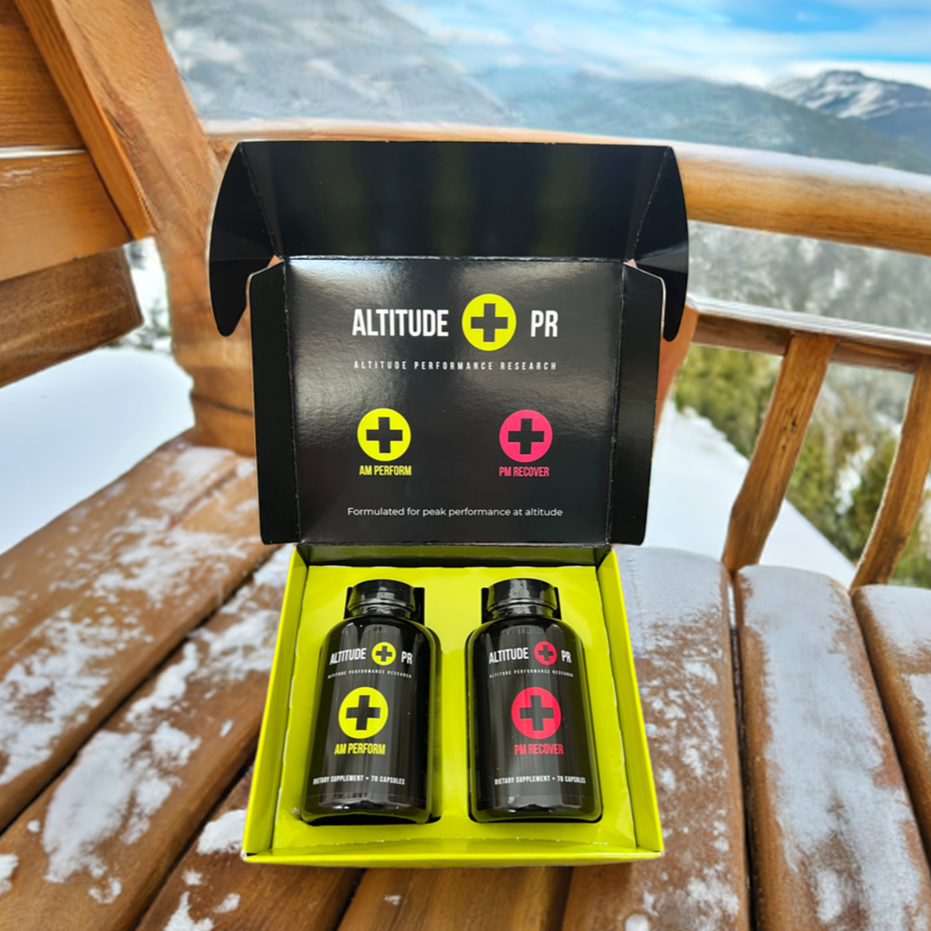
Altitude Performance Research focuses on improving how your body utilizes oxygen rather than trying to mask symptoms. The formula is built around ingredients that support nitric oxide production and oxygen delivery, helping your system operate more efficiently in low-oxygen environments.
What makes it different is that it’s not positioned as a quick fix. It’s designed to work alongside the fundamentals like hydration, nutrition, and acclimatization, not replace them.
For athletes, that means better endurance, more stable energy, and less of that early-session fatigue that typically shows up at elevation.
The Takeaway
Altitude affects everyone. It doesn’t matter how fit you are. If your body isn’t adapted, performance will take a hit.
The difference comes down to how you prepare. Hydrate early, give yourself time to acclimate, fuel properly, and adjust your training expectations.
From there, tools like Altitude Performance Research’s formula can help support the process and close the gap a bit faster.
Train smart, respect the elevation, and you’ll get more out of every session.